
Affordable Roof acting up in Diamondhead, Mississippi? Get clear tips on quick fixes when leaks hit. Costs shift based on what fails – know what you’re facing before calling help. Materials matter more than most think. Pick someone nearby who actually shows up. All Done Roofing lays it out without the noise.
Water finds its way in when least expected. Storms move quickly here in Diamondhead, Mississippi – especially between June and November when hurricanes loom. A wet ceiling won’t wait, so neither should you. Maybe it started with a drop during yesterday’s heavy rain. Or perhaps you saw a mark growing on the wallboard this morning. Either way, knowing the next steps matters right now.
Diamondhead homes face distinct roof leak challenges due to coastal weather aging materials faster
Warm winters greet those close to the Gulf Coast. Breezes roll in from the shore most afternoons. Getting to open water takes just minutes from here. Yet life along this edge holds dangers others do not face so often. Roofs in places like Diamondhead must survive salty winds. Moisture lingers longer, eating at surfaces day by day. Sudden storms push wind speeds past 100 miles per hour. Such force beats on shingles, flashing, seals – everything exposed up top. What weakens slowly elsewhere fails quicker under these skies.
Roofs around here often wear asphalt shingles, good for roughly two decades when treated right. The average house measures near 2,065 square feet, so roof space tends to stretch wide beneath sun and storm. Once edges start lifting, metal strips begin rusting, or sticky layers crack apart, rain slips through like it owns a map.Professional Roof acting up in Diamondhead, Mississippi
When the first big spring downpour hits, that is when many people notice water coming in. After a tropical storm moves off, signs of trouble tend to appear too. Because storms make conditions worse, fixing things later means paying extra. Crews face tougher situations when working in bad weather. Waiting until clouds gather could mean dealing with soaked walls inside. Getting ahead of problems helps avoid those costs. Before winds pick up again, taking steps makes sense.
Repair Choices and Materials for the Gulf Coast
A small leak might not mean tearing everything up. A precise fix can last a long time in some cases. Yet when harm spreads across large areas, tape won’t cut it. Knowing what paths exist lets you talk clearly with whoever checks your roof.
Roofs in Diamondhead usually go with asphalt shingles. At about $4.70 each square foot once put on, they hold up fine if looked after. When fixing things fast, picking pieces that line up with what’s already there keeps fixes from standing out. Instead of regular three-tab kinds, better strength comes from versions built for hurricane zones – these handle stronger winds without trouble.
That shiny roof up top? Costs a bit extra at nearly nine bucks a foot. Lasts decades though – four to six of them – shrugs off salty winds and hard rains like it’s nothing. Folks tired of fixing leaks tend to pick it when redoing the house top. Water runs right off instead of pooling. Holds tight even when gusts try to peel it back, unlike older shingle styles.
Flat areas like porches often skip shingles. Instead, TPO or modified bitumen fits well there. Seams fuse under heat – no gaps form. That means water cannot slip through.
Emergency Roof Repair What Occurs
Right away, halting ongoing water entry becomes the main task once an emergency call goes out to the contractor
Most times, it moves through four steps. Still, each phase connects without rush. Then comes the shift into the next part naturally. After that, things settle before continuing onward.
Interior Protection Stage One
A tarp goes down here, a bucket catches drops there. Furniture shifts aside or gets tucked under plastic sheets instead. Belongings vanish from where water travels next. Floors stay safe, so do walls and wiring nearby.Top Roof acting up in Diamondhead, Mississippi
Stage Two Exterior Tarping
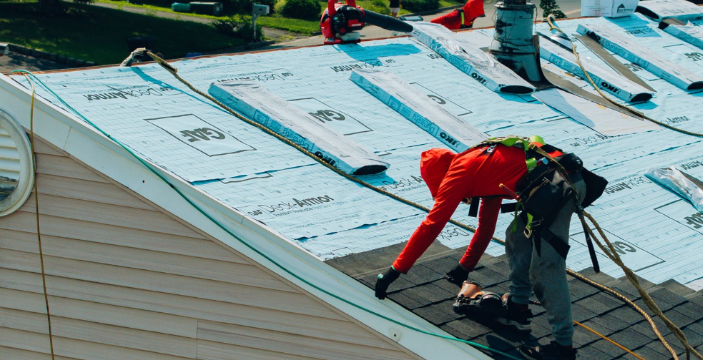
When rain delays fixes, workers stretch a tough tarp over broken roof spots, fastening it to solid sections nearby. Water stays outside during waits that can last days or even weeks before supplies arrive. Cost figures from trade reports show stopgap tarps run from two hundred to five hundred dollars, based on how high and hard-to-reach the roof is.
Stage Three Damage Assessment
After it is safe to reach the roof, the worker looks at every part of the roofing setup. Shingles come into view first, then metal edges, hidden layers beneath, wood base, along with airflow paths upstairs. Water often shows up in places distant from where it sneaks in, making close examination essential. One certified roofer near Diamondhead mentioned about three out of ten urgent visits deal with broken seals near chimneys or pipe vents – damage unconnected to missing shingles.
Fourth stage permanent healing
Out back, old sections get hauled away once they’re checked for rot. When the frame’s sound, fresh underlayment goes down before any covering is added. Shingles or metal pieces follow, picked to blend right in. Every pipe or vent hole gets sealed tight by hand. Water direction matters – runoff must feed into gutters without pooling. On average, fixes wrap up between morning start and third-day close for typical Diamondhead models.
When it comes to fixing roofs in Hancock County, outfits such as All Done Roofing bring something different. Because they zero in only on roofing, they’ve learned every twist of local permits. Salt-heavy winds? They pick materials built to last in those conditions. While regular fix-it workers might overlook certain coverages, these crews have insurance tailored exactly for roof jobs. Getting things correct from the start isn’t luck – it’s what happens when expertise lines up with experience.
Emergency Roof Repair Costs in Diamondhead
Most folks pay more when storms hit fast. Costs shift depending on how bad the harm is, what stuff goes up there, and just how hard it gets to reach the top. A job done quick means higher charges – speed isn’t cheap. The usual swap-out runs near eight grand in Mississippi, though some see bills jump past eighteen thousand. Smaller fixes? They take less cash upfront compared to tearing everything off. Still, fixing things now instead of later adds extra fees right away.
Patching just one spot on a regular shingle roof usually runs $400 up to $1,200. That sum includes work costs, supplies, along with fresh bits of metal edging where needed. When water has ruined the wood layer under the shingles, count another half grand to a full thousand for swapping out sheets of plywood.
Most folks in Mississippi pay less for hourly work than people do across the country. Roofers there made between fifty-one and sixty-six dollars each hour in 2026, according to numbers floating around. Nationally, that number jumps to seventy-eight bucks every hour. When storms roll through – or jobs pop up late at night – prices can spike fast, often doubling without warning.
Most times, you will need approval from Hancock County before replacing a roof or fixing major parts of a structure. Fees can sit anywhere between 150 and 500 dollars, based on how big the work turns out to be. The person hired to do the job usually takes care of filing the paperwork needed. Well-known contractors often list that expense right inside their quote so nothing shows up out of nowhere down the line.
Flood insurance might shape how fast you fix things after heavy weather hits. When wind or flooding from a recognized storm does harm, standard home policies often pay for quick fixes like temporary roof coverings, drying out rooms, plus long-term rebuilding – just remember the deductible applies. Snap pictures of every affected spot prior to starting cleanup. Someone who knows how insurers handle shoreline-area losses could join the inspector during visits so details stay visible.Trusted Roof acting up in Diamondhead, Mississippi
Choosing a Local Emergency Roof Contractor
After bad weather hits, some businesses appear overnight without caring about you. Out-of-town teams often chase storms then vanish when problems show up later. A few push people to sign paperwork right away, under stress. Spotting trustworthy neighborhood workers means looking past quick promises and flashy trucks.
Start by checking if they’re licensed. See that their insurance is current
When signing a contract, Mississippi says homebuilders must tell you in writing whether they’re licensed. Get documents showing they carry general liability insurance, also proof of workers’ comp. Should someone take a tumble from your roof, lack of coverage could leave you on the hook.
Check local references.
A person building homes in Diamondhead for a long time likely has homes they finished close by. Go see those places if you can get there. Check how neat everything looks, whether roofing rows line up well, also how metal strips fit around edges.
A clear price breakdown arrives first.
Start with naming each material – brand plus type – so nothing hides behind generic labels. Work details matter just as much, so lay out exactly who does what during the job. Permits? They need a clear plan, not guesses. Cleanup steps come after everything settles, making sure dust and debris vanish completely. Warranty rules must appear up front, never tucked away at the end. Skip any quote that mumbles about fixing leaks but won’t list replacements outright.
Warranty details? Know how it’s built. Start there
Some roof guarantees split into a maker’s promise on materials along with a roofer’s pledge on labor. Find out the duration of both pieces, also just what they protect. A good guess? Check fine print before signing anything.
Notice the warning signs before they shout louder.
Out of nowhere, asking for total cash right away should make you pause. So might someone be dodging a signed agreement altogether. Imagine being pushed to agree even though the insurer hasn’t said yes – red flag. Picture a solid roofer in Diamondhead showing up, taking time to look things over. They’d walk through possibilities, hands off, letting choices settle on their own. Hard talk? Never part of it.
Frequently Asked Questions
How fast can a roofer get to my house in Diamondhead during an emergency?
Right now, many nearby repair crews can show up within a day if there’s a leak. When storms hit hard across the region, it might take two or three days instead. Water rushing inside? Get on the phone fast – check whether they’ll throw up a quick cover until proper fixes happen.
Permit Requirements for Emergency Roof Repairs in Hancock County?
A handful of loose shingles fixed, or some small gaps sealed around vents – those kinds of fixes typically skip the need for paperwork. When the whole rooftop comes off, though, or when wood underneath gets swapped out, that work must be cleared by the Hancock County Building Department.
What is the average cost to repair a roof leak in Diamondhead, MS?
Repairs in just one area might cost between four hundred and twelve hundred dollars – how bad the harm is matters, also how high up the roof sits. Decking swaps push prices past fifteen hundred, sometimes way higher
Will my homeowner’s insurance cover emergency roof leak repair?
When a storm hits or a tree crashes down, coverage often kicks in after you pay the deductible. Repairs tied to years of ignoring upkeep? Those rarely qualify. What wears out over time tends to stay on your shoulders
What causes most roof leaks in Diamondhead homes?
Leaky spots near chimneys, vents, or skylights? Flashing gone wrong plays a part roughly one-third of the time. Shingles torn off by wind – or already absent – show up often as well
Is metal roofing worth the extra cost on the Gulf Coast?
Homeowners who settle in one place see benefits from metal roofs over time. Forty to sixty years of life comes standard, outlasting most alternatives by decades. Heat bounces off easily, cutting down summer energy costs without effort. Storm seasons pass with less worry – these panels laugh at winds that shred ordinary shingles
Can I tarp my own roof while waiting for a contractor?
Most people try anyway, though it carries real risk. Each year, plenty of folks get badly hurt slipping off rooftops. In case you decide on a quick tarp fix, make sure the ladder feels solid under your weight; grab footwear that grips well while someone stays nearby just in case. Wet surfaces or sharp slopes? Not worth stepping near – skip those entirely
What questions should I ask before hiring a Diamondhead roofing contractor?
Start by checking if they carry valid licenses plus proof of insurance coverage. See what past customers nearby have said about their work quality. Find out which companies supply the materials they install most often. Warranty details matter – get those explained clearly up front. Watch how they handle city permits; that process reveals a lot. Payment plans should be laid out step by step before any agreement. Length of time operating in Hancock County tells you about local experience
How do I prevent future roof leaks after repairs are done?
Every year, set up a checkup for your roof. Spring and fall are good times to clear out leaves and gunk from gutters. Branches that hang too close should be cut back. When shingles crack or go missing, swap them out without waiting.
Conclusion
Water dripping through your ceiling might seem like chaos, yet moving ahead is simpler than expected. First thing – block the spread indoors before it ruins what’s below. Take pictures of every affected spot while things are still wet. A nearby roofer should come by, look everything over, then tell you exactly what needs fixing. Delaying only turns small fixes into big bills later down the road.Right Roof acting up in Diamondhead, Mississippi