Need expert roof installation services in DiamondHead MS? Learn about roofing types, costs, storm prep, and how to choose the right local contractor.
Your roof does more work than almost any other part of your home. It takes the full force of every rainstorm, every hot summer day, and every stretch of wind that comes off the Gulf. And in DiamondHead, MS, those conditions are not gentle. This part of Hancock County sits close enough to the Gulf Coast that the weather here can turn fast and hit hard.
So when a DiamondHead homeowner starts thinking about a new roof, the stakes are real. A well-installed roof keeps everything under it dry and safe for decades. A poorly done one starts causing problems within a few years — sometimes sooner.
We built this guide for anyone in DiamondHead who wants honest information about roof installation before they call the first contractor. By the end, you’ll know what questions to ask, what materials work best in this climate, and what a fair price actually looks like. AtAll Done Roofing LLC, we work with homeowners across the Mississippi Gulf Coast every week, and we want you walking into this process with clear eyes.
Why DiamondHead Roofs Face Unique Challenges
DiamondHead is a planned community built across a peninsula in Hancock County. It’s a beautiful place to live — quiet streets, mature trees, and a strong sense of neighborhood. But that geography comes with a specific set of roofing challenges that homeowners in other parts of the country simply don’t deal with.
The Gulf Coast sits in one of the most active hurricane corridors in the United States. According to the National Oceanic and Atmospheric Administration (NOAA), the northern Gulf Coast sees more landfalling tropical storms and hurricanes per decade than almost any other U.S. coastline. DiamondHead’s location puts it directly in the path of those systems when they track northeast from the Gulf.
That means Expert Roof installation services in DiamondHead MS have to account for wind resistance first. Mississippi’s residential building codes for coastal counties require roofing systems to meet specific wind uplift ratings. Any contractor who doesn’t understand those local code requirements shouldn’t be on your roof.
Beyond storm exposure, the combination of high humidity, intense summer heat, and frequent rain cycles here puts steady pressure on roofing materials year-round. Shingles that work fine in a drier climate may fail prematurely on the Gulf Coast. Proper ventilation, quality underlayment, and correct fastening patterns all matter more here than they might in a northern state.
Types of Roofing Materials Used in DiamondHead Homes
One of the first things homeowners ask is what type of roof they should get. The answer depends on your home’s structure, your budget, and how long you plan to stay in the house. Here’s a practical look at the most common options:
| Roofing Material | Average Lifespan | Wind Resistance | Cost per Sq Ft (Installed) | Best For |
| Architectural Asphalt Shingles | 25–30 years | Up to 130 mph (Class H) | $4 – $7 | Most residential homes |
| Impact-Resistant Shingles | 30–40 years | Up to 150 mph | $6 – $10 | Storm-prone coastal areas |
| Metal Roofing (Standing Seam) | 40–70 years | Up to 160 mph+ | $10 – $18 | Long-term investment, high wind areas |
| Tile Roofing (Concrete or Clay) | 40–50 years | High, if properly installed | $12 – $20 | Upscale homes, Mediterranean style |
| Modified Bitumen (Flat Roofs) | 15–25 years | Moderate | $5 – $8 | Flat or low-slope sections |
Homeowners researching the best roofing installation in DiamondHead MS will find that impact-resistant architectural shingles and metal roofing are the two strongest performers for this specific area. Both offer the wind resistance needed for coastal Mississippi without the extreme cost of tile.
Architectural shingles — also called dimensional or laminate shingles — are the most popular choice for DiamondHead homes. They’re heavier and more durable than the old three-tab shingles that many older homes still have, and they come with manufacturer warranties of 30 years or more when properly installed. For the right impact-resistant rating, look for shingles rated Class 4 by UL 2218 standards, which gives you the highest available hail and impact protection.
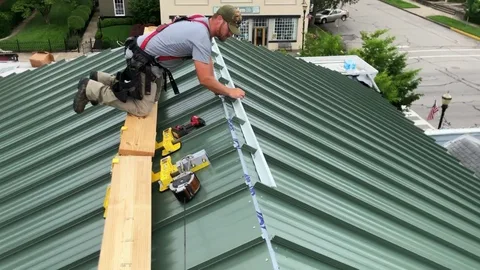
Metal roofing has grown steadily in popularity along the Gulf Coast because of its proven performance in high-wind events. Standing seam metal panels, where the seams are raised and hidden rather than exposed and nailed through, give the best wind resistance of any metal roofing system. A properly installed standing seam roof can handle winds well above 160 mph — a relevant fact for anyone who lived through Hurricane Katrina or the years of intense Gulf storms that followed.
Roof installation services in DiamondHead MS that involve metal roofing also carry a long-term financial logic. The upfront cost is higher, but the lifespan stretches two to three times longer than asphalt shingles. For someone planning to stay in their home for 20 or 30 years, the math often works out in metal’s favor.
What a Full Roof Installation Actually Involves
A lot of homeowners picture roof installation as a single day of work where a crew shows up, takes off the old shingles, and puts on new ones. The reality is more involved than that, and understanding the steps helps you evaluate whether a contractor is doing the job right.
The first step is a thorough inspection of the existing roof deck — the plywood or OSB boards that sit under the shingles and give them something to nail into. In older DiamondHead homes, the deck can have areas of rot, delamination, or water damage that need to be replaced before any new roofing material goes down. A contractor who skips this step and covers damaged decking with new shingles is setting you up for premature failure.
After deck repair, the next layer is the underlayment. This is a water-resistant barrier — typically synthetic felt or a self-adhering modified bitumen membrane — that goes over the deck before the shingles. In coastal Mississippi, a peel-and-stick underlayment in the eave and rake areas adds critical protection against wind-driven rain getting under the shingles during a storm. Some contractors skip the premium underlayment to cut costs. That’s a shortcut worth asking about.
Drip edge flashing goes along the edges of the roof to direct water away from the fascia and into the gutters. Flashing around chimneys, skylights, and roof penetrations must be installed carefully to prevent leak points. These details are where a skilled crew earns its pay.
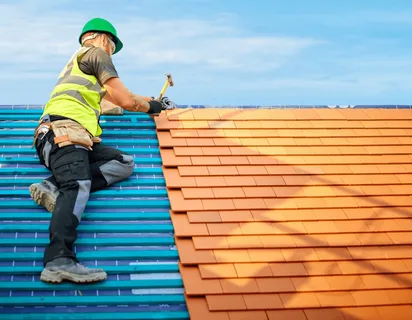
The roofing material itself goes on last — shingles, metal panels, or tile depending on your choice — followed by ridge cap installation at the peak and any necessary ridge venting for attic ventilation. A properly ventilated attic is not a cosmetic concern. The U.S. Department of Energy has found that inadequate attic ventilation raises attic temperatures significantly, which shortens shingle life and increases cooling costs in homes like those in DiamondHead that run air conditioning for most of the year.
How Much Does Roof Installation Cost in DiamondHead MS?
Cost is always part of the conversation, and it should be. Here’s a realistic range based on current Gulf Coast market conditions.
For a standard single-story home in DiamondHead with a moderately pitched roof of around 1,500 to 2,000 square feet of roof area, a full architectural shingle replacement typically runs between $8,000 and $16,000 installed. That range covers tear-off of the old roof, deck inspection and minor repairs, new underlayment, shingles, flashing, and cleanup.
Impact-resistant shingles add roughly 15% to 25% to that base cost but can sometimes lower your homeowner’s insurance premium enough to partially offset the difference over time. It’s worth calling your insurance provider before you finalize your material choice.
Metal roofing for the same size home runs between $15,000 and $30,000 or more depending on the panel style and the complexity of the roof shape. More valleys, dormers, and penetrations mean more labor and more flashing work, which pushes the number up.
One cost factor that surprises many DiamondHead homeowners is deck replacement. If 30% or more of the decking needs to be replaced — which is common in homes that had a slow leak for years before the roof was replaced — that adds $1,000 to $3,000 or more to the project depending on the extent of the damage.
Always get a written estimate with a full scope of work. Any contractor who won’t put the details in writing before you sign isn’t someone you want on your roof.
Mississippi Building Codes and Permits for Roof Installation
Hancock County follows the Mississippi Residential Code, which incorporates International Residential Code (IRC) standards with Gulf Coast-specific wind requirements. Most full roof replacements in DiamondHead require a permit from Hancock County Building and Zoning before work begins.
The permit process exists to protect you. It triggers an inspection after the work is complete, giving you an independent set of eyes confirming the installation meets code. Unpermitted roofing work can cause serious problems if you ever file an insurance claim or try to sell your home. A buyer’s home inspection will flag unpermitted work, and your insurance company may deny a claim for a roof that was installed without the required permits.
Ask every contractor you get a bid from whether they pull permits. A contractor who tells you permits aren’t necessary for a full replacement, or who suggests skipping permits to save time or money, is giving you bad advice.
What to Look for When Hiring a Roofing Contractor in DiamondHead
DiamondHead homeowners have learned the hard way — especially in the years after major storms — that not every contractor offering roofing work is qualified to do it. Storm chasers and out-of-state crews often flood coastal communities after hurricanes, do quick work, take the money, and disappear before the problems show up.
Protecting yourself starts with a few basic checks. Verify the contractor holds a Mississippi contractor’s license. You can look this up through the Mississippi State Board of Contractors online. Check that they carry both general liability insurance and workers’ compensation. Ask for certificates of insurance directly from their provider, not just a copy the contractor hands you.
Look for a roofing contractor with a physical local address — not just a P.O. box or a website with a Gulf Coast city name and an out-of-state phone number. A local contractor has reputation on the line in the community where you live. That accountability matters.
Get at least two or three written estimates that break out labor, materials, tear-off, and disposal separately. Comparing lump-sum bids is nearly impossible without that detail. Ask each contractor what specific shingle brand and product line they’re using and verify that the shingle carries a manufacturer’s warranty that covers workmanship when installed by a certified installer.
Ask how long the work will take, who will be on site, and whether they use subcontractors. Some roofing companies subcontract all their labor, which isn’t automatically a problem — but you want to know who is actually working on your home and whether the primary contractor takes responsibility for the subcontracted work.
Closing Thoughts
Your roof is the line between your family and whatever the Gulf Coast weather decides to throw at DiamondHead next. Getting that line right means choosing the right materials, working with a contractor who knows this area and follows its codes, and not cutting corners on the details that determine how long the roof actually lasts.
For any homeowner in DiamondHead who’s putting off this decision — whether your roof is aging, showing damage, or just starting to give you concerns — the best move is getting a professional inspection and a written estimate before the next storm season arrives. Waiting until there’s active damage almost always costs more than acting early.
FAQs
How long does roof installation take in DiamondHead MS?
Most standard residential roof replacements in DiamondHead take one to two days for the installation itself, assuming the crew is properly sized and the weather cooperates. Larger homes, steeper pitches, or roofs with multiple dormers and valleys take longer. If significant deck replacement is needed, that can add another day. The full project timeline — from signed contract to completed installation — is typically one to three weeks, accounting for permit approval, material ordering, and scheduling. Summer and fall are the busiest seasons for roofing on the Gulf Coast, so contractors’ schedules fill up faster during those months. If you’re approaching hurricane season and your roof needs work, getting on a contractor’s schedule early makes a real difference.
What roofing materials hold up best in Gulf Coast weather?
For DiamondHead and the surrounding Hancock County area, impact-resistant architectural shingles rated Class 4 and standing seam metal roofing both perform well over time. The key factors for coastal Mississippi are wind uplift resistance, resistance to wind-driven rain infiltration, and durability under UV exposure and high humidity. Standard three-tab shingles are no longer recommended for this area — they’re lighter and more vulnerable to wind damage than dimensional shingles. If budget allows, metal roofing is the strongest long-term option for a home that will be on the Gulf Coast for decades. Whatever material you choose, the installation quality matters as much as the product itself. The best shingles installed incorrectly will fail. A mid-grade shingle installed correctly to manufacturer specs and local code will outperform premium shingles with poor workmanship.
Will a new roof lower my homeowner’s insurance premium in Mississippi?
It depends on your insurer and the specific roof you install. Many homeowner’s insurance providers in Mississippi and along the Gulf Coast offer premium discounts for impact-resistant roofing materials — particularly Class 4-rated shingles and metal roofing — because they’re statistically less likely to result in claims after storms. Some insurers offer discounts of 10% to 30% on the wind/hail portion of the premium for qualifying roofs. Before you finalize your roofing material choice, call your insurance agent and ask specifically about any discounts tied to roofing material ratings. Get the answer in writing, and factor that information into your total cost comparison between standard and impact-resistant options.
Do I need to be home during my roof installation?
You don’t have to be home for the full installation, but most homeowners prefer to be present at the start of the job to walk through any last questions with the crew and confirm the materials being used match what was agreed on in the contract. A reputable contractor will communicate clearly about the work schedule, what access they need, and any decisions that might come up during the job — like discovering damaged decking that needs to be replaced. Make sure you have a direct contact number for the project supervisor so you can reach someone on-site if questions come up while you’re away. When the job wraps up, being present for the final walkthrough lets you inspect the work and ask about anything you notice before the crew leaves the site.
What should I do if I discover roof damage after a storm in DiamondHead?
The first thing to do after a severe storm is a safe visual inspection from the ground — look for missing shingles, visible damage to the ridge, or debris that may have hit the roof. Don’t get on the roof yourself while it’s wet or if there’s any structural concern. If you see signs of damage or have water coming in, cover the affected area with a tarp and document everything with photos before any repairs begin. Call your homeowner’s insurance company to report the damage and ask about the claims process. Then call a licensed local roofing contractor for an inspection. Be cautious about contractors who knock on your door immediately after a storm — some are legitimate, but post-storm communities attract out-of-state crews who do fast, low-quality work and move on. Ask for a license number and verify it before signing anything.
Most standard residential roof replacements in DiamondHead take one to two days for the installation itself, assuming the crew is properly sized and the weather cooperates. Larger homes, steeper pitches, or roofs with multiple dormers and valleys take longer. If significant deck replacement is needed, that can add another day. The full project timeline — from signed contract to completed installation — is typically one to three weeks, accounting for permit approval, material ordering, and scheduling. Summer and fall are the busiest seasons for roofing on the Gulf Coast, so contractors’ schedules fill up faster during those months. If you’re approaching hurricane season and your roof needs work, getting on a contractor’s schedule early makes a real difference.
For DiamondHead and the surrounding Hancock County area, impact-resistant architectural shingles rated Class 4 and standing seam metal roofing both perform well over time. The key factors for coastal Mississippi are wind uplift resistance, resistance to wind-driven rain infiltration, and durability under UV exposure and high humidity. Standard three-tab shingles are no longer recommended for this area — they’re lighter and more vulnerable to wind damage than dimensional shingles. If budget allows, metal roofing is the strongest long-term option for a home that will be on the Gulf Coast for decades. Whatever material you choose, the installation quality matters as much as the product itself. The best shingles installed incorrectly will fail. A mid-grade shingle installed correctly to manufacturer specs and local code will outperform premium shingles with poor workmanship.
It depends on your insurer and the specific roof you install. Many homeowner’s insurance providers in Mississippi and along the Gulf Coast offer premium discounts for impact-resistant roofing materials — particularly Class 4-rated shingles and metal roofing — because they’re statistically less likely to result in claims after storms. Some insurers offer discounts of 10% to 30% on the wind/hail portion of the premium for qualifying roofs. Before you finalize your roofing material choice, call your insurance agent and ask specifically about any discounts tied to roofing material ratings. Get the answer in writing, and factor that information into your total cost comparison between standard and impact-resistant options.
You don’t have to be home for the full installation, but most homeowners prefer to be present at the start of the job to walk through any last questions with the crew and confirm the materials being used match what was agreed on in the contract. A reputable contractor will communicate clearly about the work schedule, what access they need, and any decisions that might come up during the job — like discovering damaged decking that needs to be replaced. Make sure you have a direct contact number for the project supervisor so you can reach someone on-site if questions come up while you’re away. When the job wraps up, being present for the final walkthrough lets you inspect the work and ask about anything you notice before the crew leaves the site.
The first thing to do after a severe storm is a safe visual inspection from the ground — look for missing shingles, visible damage to the ridge, or debris that may have hit the roof. Don’t get on the roof yourself while it’s wet or if there’s any structural concern. If you see signs of damage or have water coming in, cover the affected area with a tarp and document everything with photos before any repairs begin. Call your homeowner’s insurance company to report the damage and ask about the claims process. Then call a licensed local roofing contractor for an inspection. Be cautious about contractors who knock on your door immediately after a storm — some are legitimate, but post-storm communities attract out-of-state crews who do fast, low-quality work and move on. Ask for a license number and verify it before signing anything.