Searching for a new roof installation near me in Biloxi? Learn about materials, costs, the install process, and how to pick a contractor you can trust.
When your roof reaches the end of its life, the search for a reliable contractor starts fast. You type “new roof installation near me” into your phone, and suddenly you have ten options and no real way to tell them apart. Every company looks professional on a website. Every company claims to do quality work. So how do you actually choose?
Biloxi, MS has its own roofing challenges that make this decision more important than it might be in other parts of the country. The Gulf Coast weather here — heat, humidity, coastal storms, and salt air — puts real pressure on roofing systems year after year. Getting a new roof done right in Biloxi means more than just picking the cheapest bid.
We’ve helped Biloxi homeowners through this process many times, and the ones who get the best results are the ones who take a little time to understand what they’re actually buying before they sign anything. At All Done Roofing LLC, we believe an educated homeowner makes better decisions and ends up with a better roof. This guide gives you the information to do exactly that.
Why Biloxi Homes Need Specific Roofing Choices
Biloxi sits right on the Mississippi Gulf Coast, and that location shapes everything about how roofs perform here. The city has been through some of the most damaging Gulf Coast hurricanes on record. Hurricane Katrina in 2005 caused catastrophic structural damage across the area, and the years since have seen multiple significant storm events that tested roofing systems throughout Harrison and Jackson counties.
But the day-to-day wear on Biloxi roofs isn’t just about hurricanes. Summer temperatures regularly push into the mid-90s with high humidity, creating conditions where roofing materials expand and contract in a daily cycle. Salt air from the Gulf accelerates corrosion on metal flashing and fasteners. Heavy seasonal rains test every seal, every valley, and every penetration in the roofing system. A roof that holds up in a drier inland climate may fail much faster in Biloxi’s coastal environment.
According to the National Oceanic and Atmospheric Administration, the northern Gulf Coast sees more intense wind events per decade than almost any other region in the continental United States. That statistic has direct implications for roofing material selection — wind resistance ratings are not optional specifications here, they’re baseline requirements.
Signs Your Biloxi Home Is Ready for a New Roof
Before you start contacting contractors, it helps to understand whether your roof actually needs a full replacement or whether targeted repairs might extend its life. Here are the clearest signs that a full replacement is the more practical path:
| Warning Sign | What It Means | Action Needed |
| Roof age over 20–25 years | Shingles nearing end of design life | Get professional inspection |
| Widespread granule loss | Shingle protection layer depleted | Replacement likely needed |
| Multiple active leaks in different areas | Systemic failure, not isolated damage | Full replacement |
| Shingles curling, cupping, or cracking across the roof | UV and age damage widespread | Replacement more cost-effective than repair |
| Sagging roof deck or soft spots | Structural damage from moisture | Immediate professional evaluation |
| Repeated repairs over the past few years | Roof aging out of useful life | Replacement saves ongoing repair costs |
Homeowners searching for Best roofing installation in Biloxi will often find that once a roof reaches the point of multiple failing areas, the cost of continued repairs over the next few years adds up to more than a full replacement would have cost upfront.
New roof installation near me in Biloxi makes the most financial sense when the existing roof is 20 years or older, has widespread damage, or has been repaired multiple times without addressing the underlying age-related deterioration. A licensed contractor can give you a clear assessment of where your roof stands and what the realistic options are.
Roofing Materials That Work Best in Biloxi’s Climate
Material selection is one of the most consequential decisions in a Biloxi roof installation. The Gulf Coast climate eliminates some lower-cost options that work fine in milder climates and puts a clear premium on wind and moisture performance.
Architectural asphalt shingles with a Class H wind rating — certified to withstand winds up to 150 mph — are the most widely used option for Biloxi residential roofs. They offer a meaningful combination of performance, appearance, and cost that makes them the go-to choice for most standard replacement projects. The quality difference between budget shingles and premium architectural shingles matters more in a coastal climate than in other parts of the country, so it’s worth spending a few minutes asking your contractor about the specific product they’re proposing.
Impact-resistant shingles rated Class 4 under UL 2218 testing provide the highest level of hail and wind-driven debris protection available in asphalt shingles. Many homeowners’ insurance carriers in Mississippi offer premium discounts for homes with Class 4 roofing installed. It’s worth a call to your insurer before you finalize your material choice — in some cases the discount on your annual premium can meaningfully offset the higher upfront cost of the impact-resistant product.
Metal roofing has grown steadily in popularity across the Biloxi area for good reason. Standing seam metal panels, where the seams are raised above the panel surface and concealed rather than nailed through, offer wind resistance that exceeds what any shingle product can deliver. A properly installed standing seam metal roof can handle sustained winds well above 160 mph and has a lifespan of 40 to 70 years. When searching for an Expert new roof installation near me in Biloxi, the upfront cost of this system is higher than asphalt, but for a homeowner planning to stay long-term, the math often works out in favor of metal over two or three shingle replacement cycles.
What a Full New Roof Installation Involves
A lot of homeowners picture a roof replacement as a single day of activity. For a standard residential home, the physical installation often does take one to two days, but the full process has important steps before and after that day.
The project starts with a thorough inspection of the existing roof and attic. A contractor who skips this step is setting themselves up to miss problems that will cost you money later. Water damage in the attic, soft spots in the decking, compromised rafters, and inadequate ventilation all need to be identified and addressed before new roofing materials go down.
After the inspection and material selection come the permitting steps. Harrison County and the City of Biloxi require permits for full roof replacements. A contractor who suggests skipping permits to save time or money is not giving you good advice. Permits trigger an inspection that protects you — confirming the installation met code before the work is accepted. Unpermitted roofing work creates problems when you file insurance claims or try to sell your home.
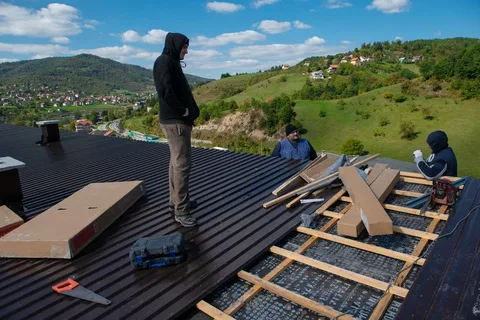
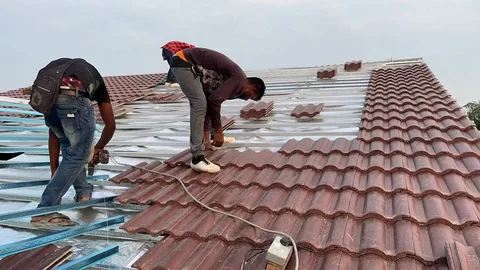
On installation day, the crew tears off the existing roofing material down to the deck, inspects and repairs the decking as needed, installs new underlayment and drip edge flashing, applies the roofing material, installs ridge cap and any required ridge ventilation, and cleans the site completely before leaving.
A quality installation crew treats your property with care throughout the job. Protecting landscaping, cleaning up nails and debris thoroughly, and leaving the site in good condition are standard practices for any professional roofing company. If a contractor’s crew leaves a mess at every job, it tells you something about how seriously they take the details inside the roofing work itself.
How Much Does a New Roof Cost in Biloxi MS
Realistic cost expectations help you evaluate bids fairly and spot numbers that don’t add up.
For a standard single-story Biloxi home with a roof area of 1,500 to 2,000 square feet, a full architectural shingle replacement including tear-off, deck inspection, new underlayment, shingles, flashing, and cleanup typically runs between $8,500 and $17,000. Roof complexity — steeper pitch, multiple valleys, dormers, and penetrations — pushes that number toward the higher end.
Impact-resistant shingle systems add roughly 15% to 25% to the base shingle cost. Metal roofing on the same home generally runs $15,000 to $30,000 or more depending on panel style and roof complexity.
Deck replacement adds cost when water damage has softened the plywood or OSB beneath the old shingles. This is a common finding on older Biloxi roofs where a slow leak went undetected for an extended period. Building a 15% contingency into your budget from the start accounts for this possibility without creating financial stress if it comes up.
The Remodeling Magazine Cost vs. Value Report consistently shows roof replacement among the highest-returning home improvement investments in the South Atlantic and Gulf Coast regions, with cost recovery rates regularly above 60% in home resale value. For Biloxi homeowners watching property values, a quality new roof signals buyers that the home has been cared for — and they respond to that signal.
Closing Thoughts
Getting a new roof in Biloxi is a significant investment, and it’s one that directly affects how safe, dry, and comfortable your home is for the next two to three decades. The right material, installed correctly by a licensed and experienced local contractor, gives you a roof that handles whatever the Gulf Coast throws at it.
For any homeowner in Biloxi who is weighing this decision — whether the roof is clearly failing or you’re just seeing early warning signs — getting a professional inspection and a detailed written estimate is the right first step. It costs nothing and gives you the factual foundation to make a decision you’ll feel good about.
FAQs
How long does a new roof installation take in Biloxi MS?
For a standard single-story residential home, the physical installation typically takes one to two days once materials are on-site and the crew is mobilized. Larger homes, steeper roofs, or projects with significant deck repair can run three to four days. The full project timeline — from signing a contract to completed installation — usually runs two to four weeks, accounting for permit approval, material delivery scheduling, and contractor availability. Summer and early fall are the busiest seasons for roofing on the Gulf Coast, so scheduling further in advance gives you more flexibility. If your roof has active leaks or storm damage, communicate that clearly when you call — most contractors can prioritize emergency tarping to stop water intrusion while the full replacement is scheduled.
Do I need to be home during my roof installation in Biloxi?
You don’t need to be home for the full duration of the installation, but being present at the start of the job is a good idea. That’s the time to walk through any final questions with the crew, confirm the materials being installed match what’s in your contract, and make sure the crew has access to everything they need. You’ll also want to be available by phone during the job in case the contractor discovers unexpected decking damage or other issues that require a decision. At the end of the project, being present for the final walkthrough lets you inspect the completed work, ask questions about anything you notice, and get documentation of the warranty before the crew leaves.
Will my insurance cover a new roof installation in Biloxi?
Homeowner’s insurance typically covers sudden roof damage caused by a covered event — wind, hail, fire, or falling debris. What insurance generally does not cover is a roof that has simply reached the end of its useful life through normal aging and wear. After any storm event, document the damage with photos before any work begins and call your insurer to start the claims process. Ask your contractor to be present during the insurance adjuster’s inspection — a contractor familiar with the local codes and wind zone requirements can make sure all storm-related damage is properly identified in the adjuster’s report. Keep copies of all contracts, estimates, and inspection reports throughout the process.
What questions should I ask a Biloxi roofing contractor before hiring them?
start with the basics: Are you licensed with the Mississippi State Board of Contractors? Can you provide a certificate of insurance showing both general liability and workers’ compensation coverage? Will you pull the required permits for the job? Then get into the specifics of the project: What exact shingle product are you proposing to use, and what is its wind rating? How will you handle deck damage if it’s found during tear-off? What does your workmanship warranty cover and for how long? Who will actually be on-site doing the work — your own crew or subcontractors? A contractor who answers all of these questions clearly and in writing is operating professionally. One who deflects or gets vague on any of them is worth looking at more carefully.
How do I know if a Biloxi roofing contractor is actually licensed?
Mississippi requires contractors performing work above a certain dollar threshold to hold a license through the Mississippi State Board of Contractors. You can verify any contractor’s license status through the board’s online public database at www.msboc.us — search by company name or the owner’s name and confirm the license is active and covers the scope of work being done. This check takes about two minutes and gives you concrete confirmation before you commit to anything. Don’t rely on a contractor telling you verbally that they’re licensed — pull the record yourself. If a contractor’s name doesn’t appear in the database or their license shows as expired or inactive, that’s important information to have before you sign a contract.
For a standard single-story residential home, the physical installation typically takes one to two days once materials are on-site and the crew is mobilized. Larger homes, steeper roofs, or projects with significant deck repair can run three to four days. The full project timeline — from signing a contract to completed installation — usually runs two to four weeks, accounting for permit approval, material delivery scheduling, and contractor availability. Summer and early fall are the busiest seasons for roofing on the Gulf Coast, so scheduling further in advance gives you more flexibility. If your roof has active leaks or storm damage, communicate that clearly when you call — most contractors can prioritize emergency tarping to stop water intrusion while the full replacement is scheduled.
You don’t need to be home for the full duration of the installation, but being present at the start of the job is a good idea. That’s the time to walk through any final questions with the crew, confirm the materials being installed match what’s in your contract, and make sure the crew has access to everything they need. You’ll also want to be available by phone during the job in case the contractor discovers unexpected decking damage or other issues that require a decision. At the end of the project, being present for the final walkthrough lets you inspect the completed work, ask questions about anything you notice, and get documentation of the warranty before the crew leaves.
Homeowner’s insurance typically covers sudden roof damage caused by a covered event — wind, hail, fire, or falling debris. What insurance generally does not cover is a roof that has simply reached the end of its useful life through normal aging and wear. After any storm event, document the damage with photos before any work begins and call your insurer to start the claims process. Ask your contractor to be present during the insurance adjuster’s inspection — a contractor familiar with the local codes and wind zone requirements can make sure all storm-related damage is properly identified in the adjuster’s report. Keep copies of all contracts, estimates, and inspection reports throughout the process.
start with the basics: Are you licensed with the Mississippi State Board of Contractors? Can you provide a certificate of insurance showing both general liability and workers’ compensation coverage? Will you pull the required permits for the job? Then get into the specifics of the project: What exact shingle product are you proposing to use, and what is its wind rating? How will you handle deck damage if it’s found during tear-off? What does your workmanship warranty cover and for how long? Who will actually be on-site doing the work — your own crew or subcontractors? A contractor who answers all of these questions clearly and in writing is operating professionally. One who deflects or gets vague on any of them is worth looking at more carefully.
Mississippi requires contractors performing work above a certain dollar threshold to hold a license through the Mississippi State Board of Contractors. You can verify any contractor’s license status through the board’s online public database at www.msboc.us — search by company name or the owner’s name and confirm the license is active and covers the scope of work being done. This check takes about two minutes and gives you concrete confirmation before you commit to anything. Don’t rely on a contractor telling you verbally that they’re licensed — pull the record yourself. If a contractor’s name doesn’t appear in the database or their license shows as expired or inactive, that’s important information to have before you sign a contract.