Need expert roof repair services in Gulfport MS? Learn what causes roof damage, repair costs, warning signs, and how to pick the right local contractor.
A leaking roof has a way of making itself known at the worst possible time. It’s usually a heavy rainstorm at night, or you notice a water stain on the ceiling the morning after a tropical system moves through. The damage didn’t happen overnight, but that moment of discovery feels urgent and a little overwhelming.
Gulfport, MS sits right on the Gulf Coast, and the weather here is genuinely hard on roofs. The combination of intense summer heat, high humidity, salt air from the Gulf, and the very real threat of tropical storms means roofs in this area age differently than they do in other parts of the country. Problems that might stay small somewhere with a drier climate can move fast here.
We work with Gulfport homeowners on roof repair projects throughout the year, and one thing stands out across every job we take on: the homeowners who get the best outcomes are the ones who understood the basics before they made any calls. AtAll Done Roofing LLC, we put this guide together so you walk into the repair process with real knowledge — not anxiety and guesswork.
Why Gulfport Roofs Need Attention More Often Than You Might Think
Harrison County and the Gulfport area sit in one of the most storm-active corridors on the Gulf Coast. The Mississippi coastline has been hit by major hurricanes more times in the last few decades than most people care to count. Even in years without a direct hit, tropical storms, squalls, and sustained wind events move through regularly.
But it’s not just storms that wear down roofs here. The summer heat in Gulfport is intense. Daytime temperatures regularly push into the mid-90s, and roofing materials absorb that heat directly. The thermal expansion and contraction that happens as roofs heat up during the day and cool down at night creates stress on shingles, flashing, and sealants over time. Add in the coastal humidity that accelerates mold and algae growth on roofing surfaces, and you have a set of conditions that shorten roof life compared to drier inland areas.
According to the Insurance Information Institute, wind and hail damage account for more than 40% of all homeowner insurance claims in the United States, with Gulf Coast states consistently ranking among the highest for storm-related roofing claims. For Gulfport homeowners, that statistic reflects a lived reality rather than an abstract number.
The good news is that most roof damage, caught early enough, does not require a full replacement. Targeted Expert Roof Repair Services in Gulfport MS can extend the life of a structurally sound roof by years when the right repairs are made at the right time. The key is knowing what to look for and acting before a small problem becomes a big one.
Common Types of Roof Damage in Gulfport Homes
Understanding what kind of damage your roof has helps you communicate clearly with a contractor and evaluate whether the repair scope they’re proposing makes sense. Here are the most common issues we see on Gulfport roofs:
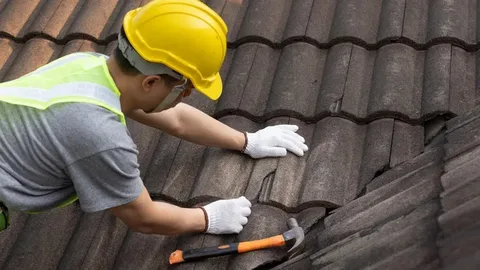
Missing or displaced shingles are the most visible form of storm damage. High winds can lift shingles at the corners, pull them loose, or remove them entirely. Even one missing shingle creates an entry point for water that can damage the decking underneath within a single rain event.
Cracked or curling shingles usually point to age and UV degradation. Asphalt shingles that have been in the Gulfport sun for 15 or more years often start to cup at the edges or develop surface cracks. Once the granule coating wears off, the shingle loses its weather resistance quickly.
Flashing failures are one of the most common sources of active roof leaks. Flashing is the metal sheeting installed around chimneys, vents, skylights, and roof valleys to direct water away from penetrations. When flashing corrodes, pulls away, or develops gaps in the sealant, water gets in at those exact points. A roof can look completely intact from the ground while actively leaking around the chimney flashing.
Granule loss shows up as bare patches on shingles and dark accumulation in your gutters. Granules protect the asphalt layer underneath from UV damage. Heavy granule loss means the shingles are near the end of their protective life even if they’re not yet visibly cracked or missing.
Soffit and fascia damage often gets overlooked because it’s at the edge of the roof rather than on top of it. Wind-driven rain can get behind damaged soffit boards and cause rot in the roof structure. This kind of damage is worth repairing before it reaches the decking.
Ice dams are less common in Gulfport than in northern states, but during the occasional winter freeze that Mississippi does see, the temperature conditions can create ice at the roof edge that backs water under shingles. Any Gulfport homeowner who has noticed ceiling stains after a cold snap should have the roof checked.
How to Tell if Your Roof Needs Repair Right Now
You don’t have to get up on the roof yourself to spot the signs that something needs attention. Here’s what to check from the ground and inside your home:
| Warning Sign | Where to Look | What It May Indicate |
| Water stains on ceiling or walls | Interior ceilings, upper walls | Active leak, possibly flashing or shingle failure |
| Missing or lifted shingles | Roof surface from ground level | Wind damage, immediate repair needed |
| Dark streaks or green patches on roof | Roof surface | Algae or mold growth, shingle deterioration |
| Granules in gutters or downspouts | Gutters after rain | Shingle age and wear |
| Sagging roof deck | Roof line from yard | Structural issue, water damage to decking |
| Daylight visible in attic | Attic inspection | Gap in roof covering, needs immediate attention |
| Spike in energy bills | Utility statements | Attic ventilation issue, possibly roof-related |
Homeowners looking for the best roof repair in Gulfport MS should pay attention to these warning signs year-round, not just after obvious storm events. Many leaks develop slowly from small failures in flashing or sealant rather than dramatic shingle loss.
Roof repair services in Gulfport MS are most cost-effective when the damage is caught before it reaches the decking and attic structure. A $400 flashing repair left unaddressed for a season can turn into a $3,000 decking replacement job once water has been sitting in the roof structure for months.
After any tropical system or severe thunderstorm moves through Gulfport, a ground-level visual check is a good habit. You’re looking for obvious shingle loss, debris on the roof, or anything that looks out of place along the ridge or eaves. If anything looks off, call a contractor for a professional inspection rather than waiting for a leak to appear inside.
What Roof Repair Actually Costs in Gulfport MS
Cost is always one of the first questions, and it’s the right one to ask. Roof repair pricing in Gulfport varies based on the type and extent of the damage, the roofing material involved, and the accessibility of the area being repaired.
For minor repairs — patching a small number of missing shingles, resealing lifted flashing, or addressing a single localized leak — costs typically run between $250 and $800. These are the repairs that make the most financial sense to address quickly before the damage spreads.
Mid-range repairs covering a more substantial area of damage — replacing a section of shingles, repairing valley flashing across a roof section, or addressing soffit rot along a full roof edge — generally run between $800 and $2,500 depending on the scope and material costs.
Larger structural repairs involving decking replacement, full valley rebuild, or extensive flashing work around multiple penetrations can run from $2,500 to $5,000 or more. At that level, it’s worth getting a comparison between repair and full replacement costs, especially if the overall roof is 20 years or older.
One cost factor unique to the Gulf Coast is urgency pricing after storms. When a tropical system moves through and half of Gulfport needs roof work at the same time, contractor availability tightens and some pricing goes up. The best protection against that situation is having a relationship with a local roofing company before the emergency happens. Getting on a trusted contractor’s call list before storm season starts in June is worth the effort.
According to the National Roofing Contractors Association, the average cost of leaving a roof leak unrepaired for one year versus addressing it promptly can result in secondary damage costs three to five times the original repair amount when water damage to insulation, drywall, and wood framing is factored in. That number reflects what we see regularly on Gulfport jobs — a $500 repair that waited becomes a $2,500 project.
The Roof Repair Process: What a Professional Job Looks Like
A lot of homeowners aren’t sure what to expect when a roofing crew shows up for a repair job. Here’s how a professional repair typically goes from start to finish.
The contractor starts with a full inspection — not just the obvious damage area, but the entire roof surface and the attic if accessible. This matters because water entry points and visible damage don’t always match up. Water travels along rafters and decking before dripping at a visible point, so finding the actual entry source requires looking beyond the stain on the ceiling.
After the inspection, the contractor walks you through what they found and explains the repair scope. A good contractor shows you photos or brings you to see the damage directly so you understand exactly what’s being fixed and why. If a contractor shows up, spends five minutes on your roof, and hands you a quote without any explanation, that’s worth questioning.
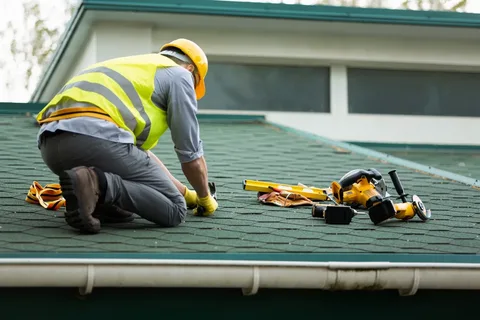
The repair itself involves removing the damaged materials — shingles, flashing, or decking — cleaning the area, and installing new materials to manufacturer specifications. Repairs done right use the same quality of materials as a full installation. Cutting corners with cheap shingles or inadequate sealant on a repair job usually means the same area needs work again within a year or two.
After the repair is complete, a reputable contractor does a final check — looking at the repaired area, checking that the surrounding shingles and flashing are secure, and cleaning up all debris from the work area. You should receive documentation of what was repaired and any warranty that covers the work.
How to Choose the Right Roof Repair Contractor in Gulfport
Gulfport has a large number of roofing contractors, and the range in quality and professionalism is wide. After major storms, that range gets even wider as out-of-state crews arrive looking for quick work.
Start with licensing. Mississippi requires roofing contractors to hold a state contractor’s license for projects above a certain dollar amount. You can verify a contractor’s license through the Mississippi State Board of Contractors’ public database. This takes about two minutes and tells you whether the company is legitimate.
Ask specifically about insurance. A contractor working on your roof without general liability and workers’ compensation insurance leaves you financially exposed if there’s an accident or property damage during the job. Get certificates of insurance directly — not a copy the contractor provides.
Get written estimates from at least two or three contractors. The estimates should itemize what’s being repaired, what materials are being used, and what the labor charge is. A lump-sum number with no detail is a red flag. You can’t compare bids or hold a contractor accountable for specific work if everything is bundled into a single number.
Ask about the warranty on the repair work. A contractor who won’t stand behind their repairs with at least a one-year workmanship warranty is telling you something about how confident they are in their own work.
Local reputation matters in a community like Gulfport. A contractor who has been working in Harrison County for years has neighbors and past clients you can call. Ask for references from jobs within the last six months and follow through on checking them.
Closing Thoughts
A well-maintained roof is one of the most important protections a Gulfport home has against a climate that doesn’t give roofs an easy time. The combination of coastal weather, heat, humidity, and storm exposure means staying on top of small repairs is genuinely more cost-effective than waiting for problems to grow.
For any homeowner in Gulfport who has noticed any of the warning signs we covered — water stains, missing shingles, granules in the gutters, or anything that just doesn’t look right — the right move is getting a professional inspection before the next storm season. Catching damage early is almost always less expensive than addressing it after another weather event has pushed things further.
FAQs
How do I know if my roof needs repair or full replacement?
The answer depends on a few key factors: the age of the roof, the extent of the damage, and the overall condition of the roofing material. If your roof is under 15 years old and the damage is limited to a specific area — missing shingles, isolated flashing failure, or a section of cracked material — a repair almost always makes more sense financially. If the roof is 20 years or older, has widespread granule loss, shows multiple areas of damage, or has had repeated repairs over the last few years, a full replacement may be more cost-effective over the next decade than continuing to repair an aging system. A professional inspection from a contractor who has no financial interest in pushing you toward a replacement will give you the most honest assessment. Ask them directly: if this were your house, would you repair or replace?
Will my homeowner’s insurance cover roof repair in Gulfport MS?
Most homeowner’s insurance policies in Mississippi cover sudden and accidental roof damage caused by a covered peril — wind, hail, falling debris, or fire. What insurance typically does not cover is damage resulting from lack of maintenance, normal wear and tear, or an aging roof that was already in poor condition before the storm event. After any storm, document the damage with photos before any work begins and contact your insurer to start a claim before you hire a contractor. Your insurer will likely send an adjuster to inspect the roof. Having a licensed local contractor present during that inspection can help make sure all damage is properly identified. Keep all receipts and documentation from the repair for your records.
How long does a roof repair take in Gulfport MS?
Most standard roof repairs — patching shingles, resealing or replacing flashing, or addressing a localized leak area — take between two and six hours on the day of the repair. Larger repairs involving decking replacement or extensive flashing work may take a full day. The overall timeline from first call to completed repair depends heavily on contractor availability and material lead times. During calm periods, most repair jobs can be scheduled within one to two weeks. After a major storm moves through the Gulf Coast, contractor schedules fill up fast, and wait times can stretch to several weeks for non-emergency repairs. If you have active water intrusion, communicate that clearly when you call — most reputable contractors will prioritize emergency tarping or temporary repairs to stop active leaking while you wait for a full repair appointment.
Can I repair just one or two missing shingles, or do I need a whole section replaced?
In many cases, replacing individual missing or damaged shingles is a perfectly reasonable repair as long as the surrounding shingles are in good condition and the decking underneath is sound. The challenge with replacing just a few shingles on an older roof is matching the color and profile of the existing shingles. Asphalt shingles fade and weather over time, so new shingles installed on a 15-year-old roof will look noticeably different for a year or two until they weather down. That’s a cosmetic issue, not a structural one. If the contractor finds that the decking under the missing shingles has absorbed water and started to soften, that section of decking needs to be replaced before new shingles go on top of it.
What should I do immediately after a storm damages my roof in Gulfport?
Start with a safe ground-level inspection as soon as it’s safe to be outside. Look for obvious shingle loss, debris on the roof, or damage to the gutters and fascia. Do not get on the roof yourself while it’s wet or if you’re unsure about the structural condition after the storm. If you have active water coming into the house, place buckets to catch it and put down towels or plastic sheeting to protect floors and belongings. Take photos of everything — inside and outside — before any cleanup or temporary repairs begin. If the damage is significant, contact your insurance company to report the damage and ask about the claims process before you hire anyone. Then call a licensed local contractor to do an inspection and provide a written estimate. Be cautious about anyone who shows up at your door unsolicited after a storm — door-to-door solicitation after weather events is a known tactic used by contractors with questionable track records.
The answer depends on a few key factors: the age of the roof, the extent of the damage, and the overall condition of the roofing material. If your roof is under 15 years old and the damage is limited to a specific area — missing shingles, isolated flashing failure, or a section of cracked material — a repair almost always makes more sense financially. If the roof is 20 years or older, has widespread granule loss, shows multiple areas of damage, or has had repeated repairs over the last few years, a full replacement may be more cost-effective over the next decade than continuing to repair an aging system. A professional inspection from a contractor who has no financial interest in pushing you toward a replacement will give you the most honest assessment. Ask them directly: if this were your house, would you repair or replace?
Most homeowner’s insurance policies in Mississippi cover sudden and accidental roof damage caused by a covered peril — wind, hail, falling debris, or fire. What insurance typically does not cover is damage resulting from lack of maintenance, normal wear and tear, or an aging roof that was already in poor condition before the storm event. After any storm, document the damage with photos before any work begins and contact your insurer to start a claim before you hire a contractor. Your insurer will likely send an adjuster to inspect the roof. Having a licensed local contractor present during that inspection can help make sure all damage is properly identified. Keep all receipts and documentation from the repair for your records.
Most standard roof repairs — patching shingles, resealing or replacing flashing, or addressing a localized leak area — take between two and six hours on the day of the repair. Larger repairs involving decking replacement or extensive flashing work may take a full day. The overall timeline from first call to completed repair depends heavily on contractor availability and material lead times. During calm periods, most repair jobs can be scheduled within one to two weeks. After a major storm moves through the Gulf Coast, contractor schedules fill up fast, and wait times can stretch to several weeks for non-emergency repairs. If you have active water intrusion, communicate that clearly when you call — most reputable contractors will prioritize emergency tarping or temporary repairs to stop active leaking while you wait for a full repair appointment.
In many cases, replacing individual missing or damaged shingles is a perfectly reasonable repair as long as the surrounding shingles are in good condition and the decking underneath is sound. The challenge with replacing just a few shingles on an older roof is matching the color and profile of the existing shingles. Asphalt shingles fade and weather over time, so new shingles installed on a 15-year-old roof will look noticeably different for a year or two until they weather down. That’s a cosmetic issue, not a structural one. If the contractor finds that the decking under the missing shingles has absorbed water and started to soften, that section of decking needs to be replaced before new shingles go on top of it.
Start with a safe ground-level inspection as soon as it’s safe to be outside. Look for obvious shingle loss, debris on the roof, or damage to the gutters and fascia. Do not get on the roof yourself while it’s wet or if you’re unsure about the structural condition after the storm. If you have active water coming into the house, place buckets to catch it and put down towels or plastic sheeting to protect floors and belongings. Take photos of everything — inside and outside — before any cleanup or temporary repairs begin. If the damage is significant, contact your insurance company to report the damage and ask about the claims process before you hire anyone. Then call a licensed local contractor to do an inspection and provide a written estimate. Be cautious about anyone who shows up at your door unsolicited after a storm — door-to-door solicitation after weather events is a known tactic used by contractors with questionable track records.